
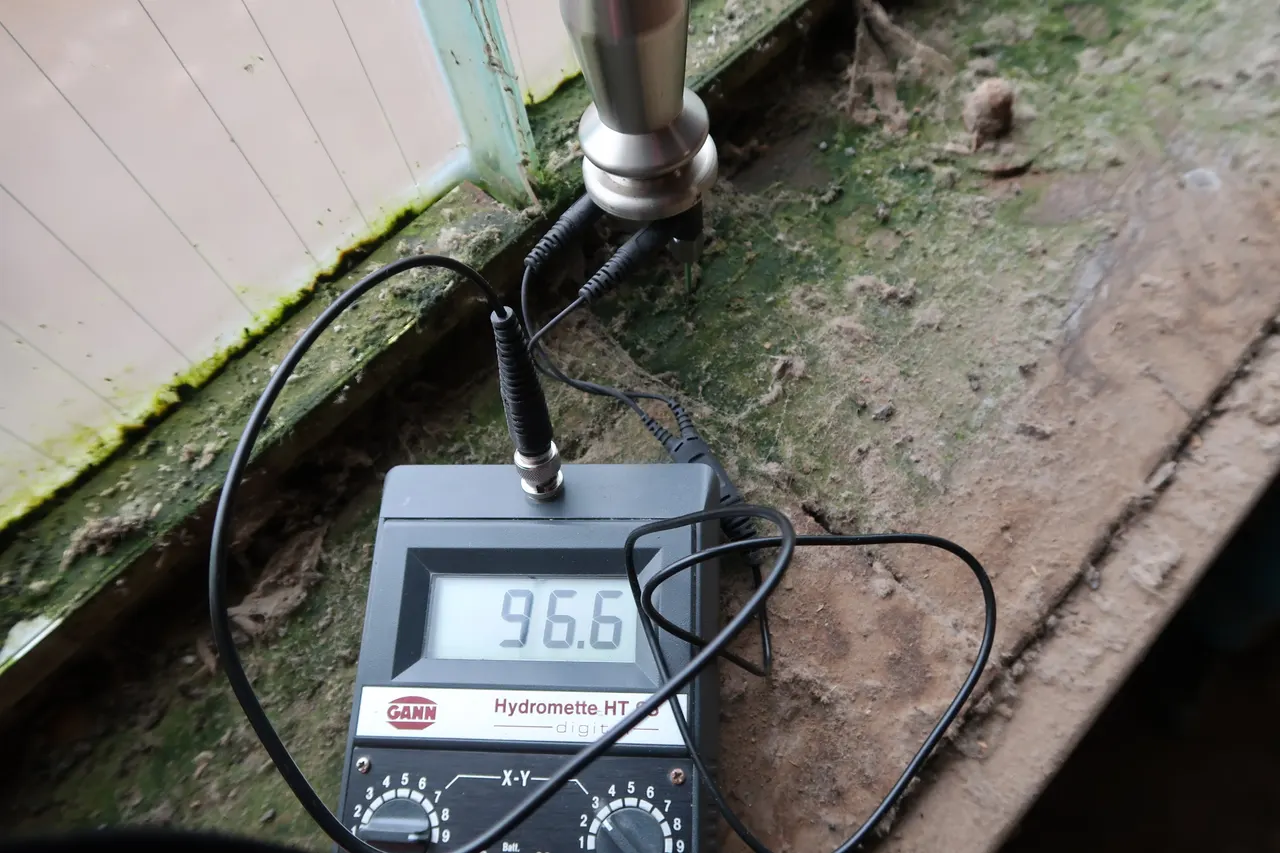
Address recurring moisture first
Explain when dampness or suspected growth was noticed and whether a leak remains unresolved. A proposal should explain how moisture control relates to the work; cleaning a visible patch does not establish that the source is fixed. Avoid making a diagnosis from color or a photograph.
Leave uncertain materials undisturbed
Do not scrape, open walls or direct fans at suspected mold to prepare for the visit. Ask the receiving business whether it handles the reported condition and how it will assess the affected area. For health concerns, seek appropriate clinical advice separately.
Ask what the remediation scope contains
Discuss containment, material handling, access and what happens to belongings. Ask which materials the proposal would retain or remove and how those decisions will be documented. Confirm whether the business is providing remediation, testing or another service; those roles may differ.
Document the finish and recurrence plan
Ask how completion is evaluated, what unresolved moisture findings remain and who handles repairs. The EPA’s homeowner mold guidance is a useful starting point for questions, not a property-specific work plan. Do not accept a website promise of a permanently mold-free home in place of a documented scope.
Questions that make the estimate clearer
- Which materials and rooms are included?
- Who repairs the source and who handles reconstruction?
- How are changes, monitoring and completion documented?