
A plan before a work authorization
Explain when the water appeared, whether it is still entering and which rooms are affected. The assessment should distinguish stopping the source, removing accessible water, drying retained materials and repairing what cannot remain. Ask for those responsibilities in writing rather than treating restoration as one undefined promise.
Keep Charleston approvals in view
A Charleston address can have floodplain or building-review questions before damaged finishes are replaced. Ask the appropriate local permit office about the proposed repair. An equipment visit does not establish permission for reconstruction, and a restoration business does not decide your insurance coverage.
Make the drying goal measurable
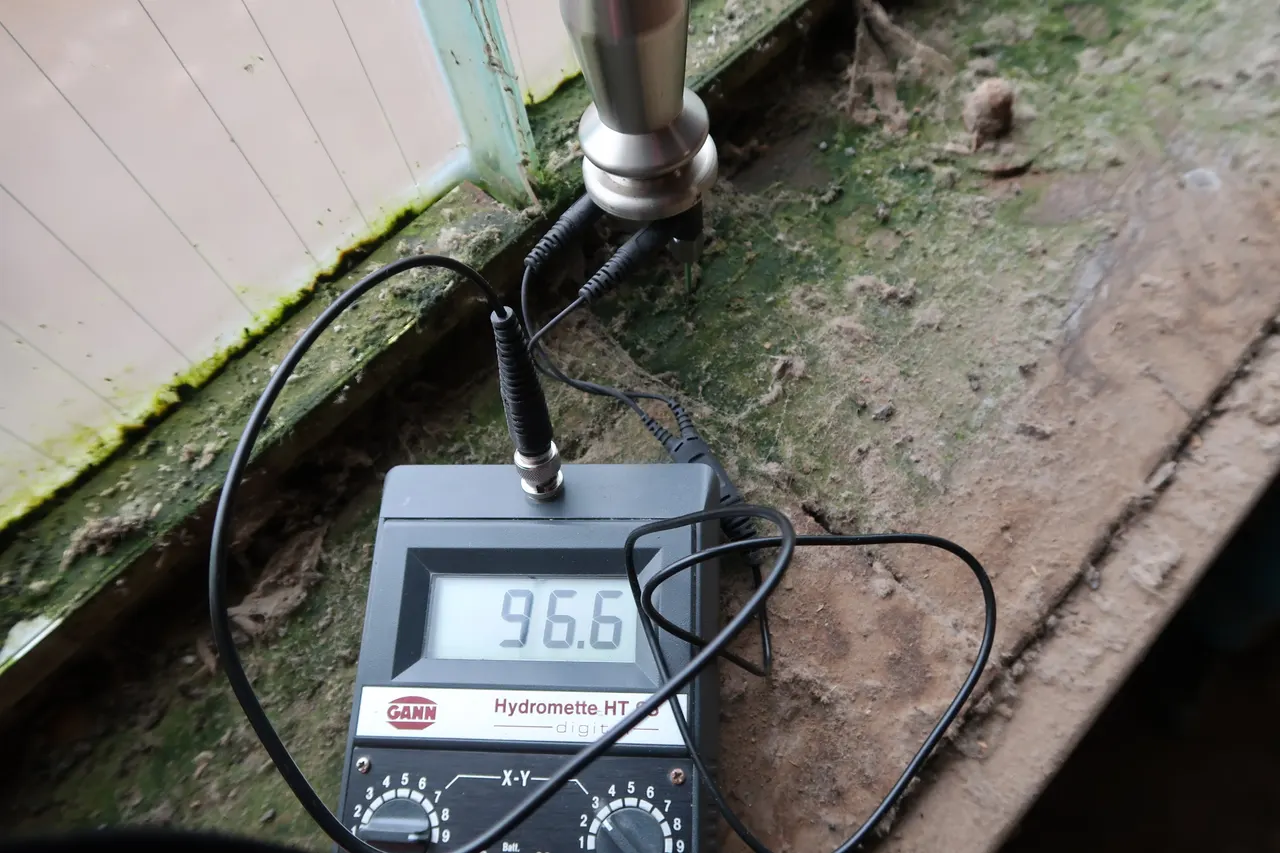
Ask which materials will be tested, where readings will be taken and what evidence will show progress. Visible dryness alone cannot settle conditions inside layered flooring or wall cavities. Request documentation of affected areas, retained materials and any unresolved access limitation.
Compare the scope rather than a headline price
Ask what the assessment costs, what the proposed work includes and what changes require approval. Contents handling, source repair, mold work and rebuilding may be separate. Confirm who coordinates those handoffs before signing; the website cannot quote your loss or guarantee an insurer’s decision.
Questions that make the estimate clearer
- Which materials and rooms are included?
- Who repairs the source and who handles reconstruction?
- How are changes, monitoring and completion documented?